
Running Hot

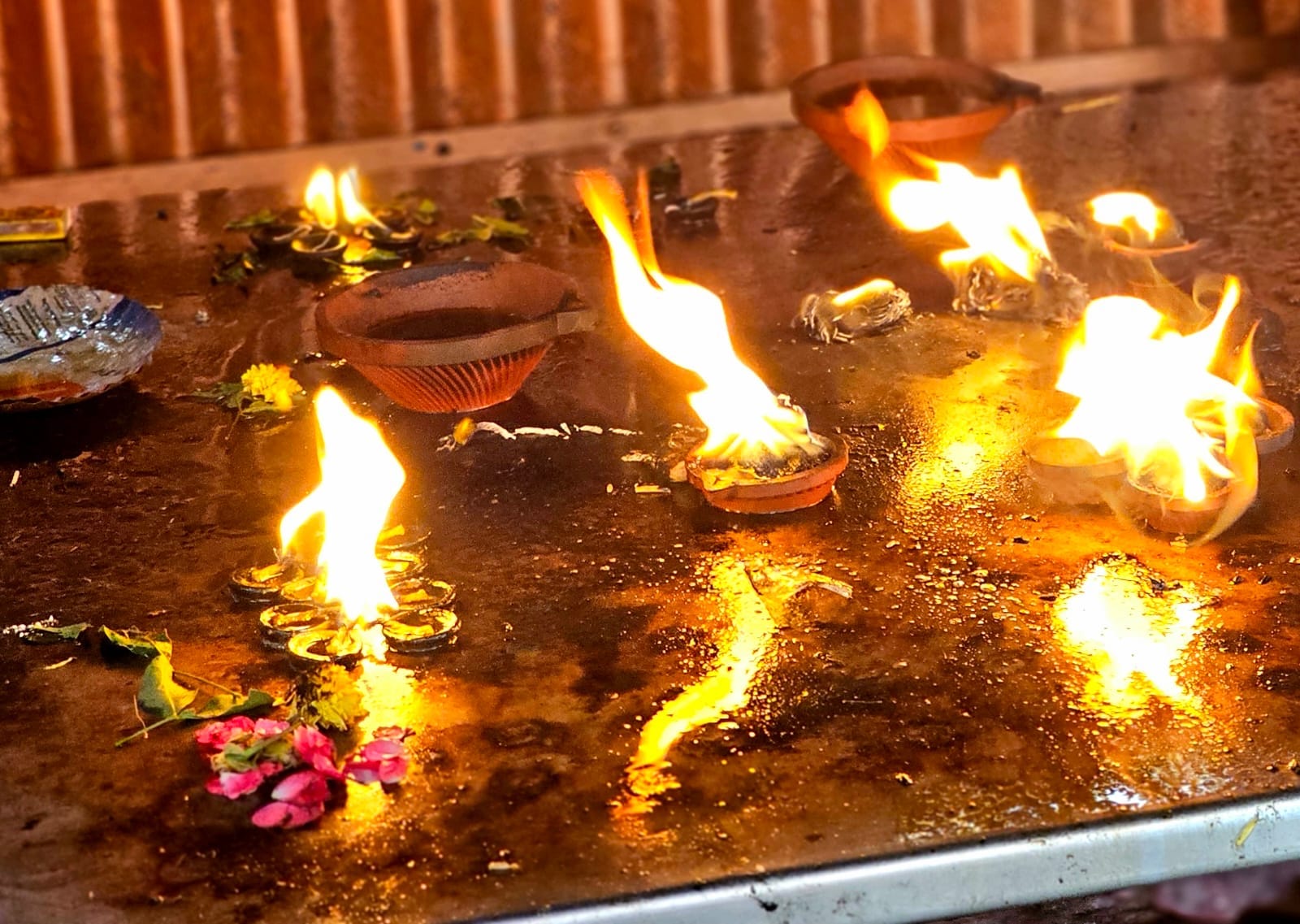
I have always run hot.
As a child my cheeks flushed quickly, a sudden bloom of red across pale skin. Heat rose without warning. Embarrassment, anger, excitement, it didn’t matter. My body announced it before I could compose myself. The more I tried to steady my breath, the brighter the colour climbed. I remember pressing my palms against my face, willing the redness down, wishing I could fade back into the background.
I wanted to fold inward, to cool, to disappear.
As a teenager, I found another kind of warmth. Alcohol offered heat I could choose, a slow bloom in the belly instead of a sudden flare in the face. My cheeks still flushed. But I didn’t mind as much. The warmth inside steadied something. It softened the sharp edge of being seen.
It felt like control.
After I had children, I stopped trying to cool the heat. I started using it.
I worked. Studied late at night. Built qualifications between school pick-ups and packed lunches. Pushed myself to create a life my children deserved. If I ran hot, then I would put it to work.
Heat became drive.
The gym belonged to that era too. Under fluorescent lights I trained with the same intensity I applied everywhere else. Sweat gathered quickly at my temples. My face burned crimson in the mirror while others seemed composed. I told myself this was resilience. Discipline. Becoming the best version of myself.
I kept feeding the fire.
Until I couldn’t.
Exhaustion blurred into overwhelm. Mornings felt thick and heavy. Chronic fatigue forced me to stop.
There is a difference between tending a fire and feeding it everything at once.
For a long time, I did not know that difference.
Recently I finished reading Chapter 11 of Women Who Run With the Wolves. Clarissa Pinkola Estés writes about sacred fire, the instinctual heat that fuels creativity, anger, appetite, vitality.
I had never thought of my heat as sacred before.
I had treated it as something to manage.
As I sat with the idea of sacred heat, I felt something familiar rise.
Years on a yoga mat surfaced. Teachers speaking about Agni, inner fire. The force that digests and transforms. Balanced, it sustains. Overfed, it consumes.
The burnout made sense in a way it hadn’t before.
The problem was not the heat.
It was how I handled it.
Now I notice the pattern more clearly.
My mind rarely holds one flame at a time.
A garden redesign hums beneath a half-finished Substack draft. A new yoga series outlines itself while I am still refining lesson plans. I research a trip while thinking about repainting a room. I open my laptop to complete one task and find myself sketching ideas for three others.
Sparks catching everywhere.
There is always something I could build.
The struggle is not having ideas.
It is deciding which ones to feed.
Rest can look like avoidance. Meditation can feel like delay. Even tending can become another thing to optimise.
Sometimes I still throw on too much wood.
Sometimes I catch myself.
Tending, I am learning, is not dramatic. It is closing the extra tab. Leaving something unfinished. Letting one fire burn steadily while others wait.
A wildfire consumes. A hearth sustains.
I have always run hot.
The question is no longer whether the fire is too much.
It is how to tend it without burning the house down.